Mastering Facebook Feeds: A Step-by-Step Guide for E-commerc
Introduction
In the rapidly evolving landscape of social media marketing in 2026, Facebook feeds remain a vital channel for e-commerce brands to reach their target audiences. With billions of users engaging daily, Facebook feeds serve as personalized content streams that deliver tailored product recommendations, updates, and promotions directly to individual users. This immense scale underscores the importance of understanding how these feeds influence visibility and sales for online sellers.
Beyond sheer volume, Facebook's sophisticated AI ranking system plays a crucial role in determining which content appears at the top of each user's feed. This dynamic algorithm considers numerous factors such as user behavior, engagement history, and content relevance, making feed management a complex yet essential task for brands aiming to maximize reach. Industry leaders like Catalogz emphasize that actively managing and optimizing Facebook feeds can significantly boost engagement rates, brand awareness, and ultimately, conversions.
For e-commerce entrepreneurs, mastering Facebook feeds is no longer optional; it’s a strategic necessity. Successful brands are increasingly leveraging automation platforms like Catalogz to streamline content enrichment, generate SEO-optimized descriptions, and ensure their product listings are always optimized for the feed algorithm. As competition intensifies, understanding and deploying effective feed management strategies will be key to maintaining a competitive edge and driving sustained growth in the digital marketplace.
Understanding Facebook Feeds and Their Importance for E-commerce
This section provides an in-depth overview of how Facebook feeds operate in 2026 and why they are crucial for e-commerce success. By understanding the underlying mechanisms that personalize and rank content, online sellers can better tailor their strategies to maximize visibility and engagement.
How Facebook Feed Works
In 2026, Facebook’s feed algorithm is powered by a sophisticated, layered machine learning system that continuously adapts to user behavior. Unlike earlier, simpler algorithms that relied primarily on chronological order or basic engagement metrics, today’s AI employs multiple models working in tandem to deliver a highly personalized content stream. These models analyze vast amounts of data in real time, assessing signals such as user interactions, content type, and relationships with creators to determine relevance.
The process begins with gathering a broad pool of potential posts, which includes organic content, ads, and sponsored listings. The system then filters out problematic or low-quality content based on community standards and platform policies. Subsequently, it predicts the relevance of each post for the individual user, considering factors like past engagement, content format preferences, and the strength of connections with content creators. The top-ranked posts—often around 500 per user—are then displayed in the feed, curated to maximize user engagement and satisfaction.
This dynamic, AI-driven ranking system represents a significant leap from older algorithms, which primarily relied on fixed rules or limited engagement metrics. Today’s models are capable of real-time learning and adjustment, ensuring that each user’s feed remains relevant and engaging as their interests evolve.
Impact on E-commerce Visibility
The advanced AI behind Facebook feeds has profound implications for e-commerce brands. When product content aligns with the personalized interests of users, the likelihood of engagement—such as clicks, likes, shares, and conversions—increases significantly. Brands that understand how Facebook’s AI ranks content can optimize their product listings, descriptions, and images to better match the signals the system prioritizes. Consequently, this leads to higher organic reach, improved visibility in targeted feeds, and ultimately, increased sales.
For example, a user frequently engaging with fashion accessories may see more product posts from related brands, especially if those listings are optimized for relevance. By tailoring content to fit these preferences, e-commerce entrepreneurs can leverage the AI’s ranking power to outperform competitors relying on outdated or generic strategies.
Key Factors Influencing Feed Content
| Factor | Description |
|---|---|
| User Engagement Signals | Likes, comments, shares, and time spent on posts influence relevance predictions. |
| Post Type and Format | Video, images, links, and text posts are weighted differently based on user preferences and past interactions. |
| Creator Relationships | Content from close friends, family, or preferred brands tends to be prioritized. |
| Content Quality and Compliance | Posts must meet community standards; problematic content is filtered out to maintain feed integrity. |
| Recency and Freshness | Newer posts are generally favored to keep feeds current and engaging. |
Chart: Distribution of Ranking Signals in Facebook’s AI System (2026)
This layered approach ensures that each user’s feed is highly tailored, making it essential for e-commerce brands to understand and optimize around these factors. By aligning content strategies with Facebook’s AI priorities, brands can enhance their visibility and foster stronger engagement in a competitive digital landscape.
How to Optimize Your Product Content for Facebook Feeds
Optimizing your product content is essential to ensure your listings stand out in Facebook feeds and reach your target audience effectively. In 2026, the platform’s AI prioritizes high-quality, relevant, and engaging content, making strategic optimization crucial for increased visibility and conversions. This section provides a step-by-step guide on enhancing your product listings to align with Facebook’s evolving AI preferences.
Crafting SEO-Optimized Descriptions
Creating compelling and SEO-friendly product descriptions is the foundation of effective Facebook feed optimization. In 2026, Facebook’s AI favors descriptions that incorporate trending keywords naturally, reflect current consumer search behaviors, and highlight unique selling points. Use clear, concise language that emphasizes benefits and features, and include relevant keywords without keyword stuffing to improve discoverability. Automated tools like Catalogz leverage AI to generate SEO-optimized descriptions that match trending search terms, saving time and increasing relevance.
For example, instead of a generic description like "Stylish sunglasses," an optimized version might read: "Premium polarized sunglasses with UV protection, perfect for summer outdoor activities. Shop trendy sunglasses for men and women today." This approach increases the likelihood of your product appearing in relevant feeds and searches.
Enhancing Images for Better Engagement
High-quality visuals are critical in capturing user attention within Facebook feeds. In 2026, Facebook’s AI prioritizes clear, well-lit images that showcase products from multiple angles and in real-life contexts. Use high-resolution images (at least 1080p) to ensure clarity across devices, and incorporate lifestyle shots that help customers visualize using the product. Additionally, applying consistent branding elements and professional editing techniques can elevate perceived quality and trustworthiness.
Automation platforms like Catalogz utilize AI-powered image enhancement to improve visual appeal automatically, ensuring your product images meet the platform’s standards and stand out in crowded feeds. Remember, visually appealing listings can increase engagement rates by up to 40% compared to poorly presented products.
Using Video and Rich Media
Videos and rich media formats such as carousel posts, 360-degree views, and short product demos significantly boost engagement in Facebook feeds. In 2026, Facebook’s AI favors dynamic content that encourages interaction, such as clicking through a carousel or watching a product demonstration. Incorporate short, high-quality videos that highlight key features, usage scenarios, or customer testimonials to create a compelling narrative around your products.
Platforms like Catalogz facilitate the creation and automation of multimedia content, enabling sellers to generate engaging videos and carousel ads effortlessly. Incorporating rich media not only enhances user experience but also signals to Facebook’s AI that your content is engaging, thereby increasing your product’s organic reach.
Checklist for Optimizing Facebook Feed Content
- Use trending keywords naturally: Incorporate relevant search terms in descriptions without keyword stuffing.
- Write clear and benefit-focused descriptions: Emphasize what makes your product unique and valuable.
- Employ high-resolution images: Ensure images are crisp, well-lit, and showcase your product from multiple angles.
- Include lifestyle and contextual visuals: Help customers visualize using the product in real life.
- Leverage multimedia formats: Use videos, carousel ads, and 360-degree views to engage users.
- Automate content enhancement: Utilize AI-powered tools like Catalogz to streamline description generation and image optimization.
- Maintain consistent branding: Use cohesive visuals and messaging across all listings to build brand recognition.
By systematically applying these optimization techniques, e-commerce sellers can significantly improve their product visibility within Facebook feeds. Leveraging automation tools like Catalogz ensures that content remains fresh, relevant, and engaging, giving your brand a competitive edge in the crowded digital marketplace.
Using Catalogz to Automate Feed Content Management
In today's competitive e-commerce landscape, manual management of product feeds can be time-consuming, error-prone, and inefficient. Catalogz offers a comprehensive automation platform that streamlines the entire process, ensuring your product listings are consistently optimized for Facebook feeds and other sales channels. This deep dive explores how Catalogz’s advanced features empower sellers to enhance content effortlessly, improve visual appeal, and manage multiple channels seamlessly.
Automated Content Enrichment
One of Catalogz’s standout features is its ability to automatically enrich product data. By leveraging cutting-edge AI algorithms, the platform scans existing product information and generates detailed, SEO-optimized descriptions tailored specifically for Facebook feeds. This automation ensures that each listing contains relevant keywords and compelling copy that aligns with current search trends, significantly increasing the likelihood of visibility and engagement. Recent data indicates that automated description generation with Catalogz has improved feed engagement rates by up to 40% in 2026, demonstrating its effectiveness in boosting organic reach.
Beyond descriptions, Catalogz also enriches other product attributes such as specifications, tags, and categories, ensuring comprehensive optimization that aligns with Facebook’s ranking signals. This process reduces manual effort, minimizes errors, and guarantees that your product data remains relevant and competitive in dynamic market conditions.
Image Optimization Features
Visual content plays a crucial role in capturing user attention within Facebook feeds. Catalogz incorporates AI-driven image enhancement tools that automatically improve the quality of product images. These features include sharpening, background removal, color correction, and resizing, ensuring that every visual asset meets the high standards expected in 2026’s digital environment. Optimized images not only attract more clicks but also adhere to Facebook’s technical requirements, preventing issues related to image quality or formatting.
Utilizing this automated image enhancement reduces the need for professional photo editing or manual adjustments, saving sellers significant time and resources. The platform’s AI continuously learns from industry best practices, ensuring that images remain visually compelling and aligned with evolving trends, which directly correlates with increased engagement and conversion rates.
Multi-channel Export and Management
Effective product catalog management extends beyond Facebook; sellers need to streamline listings across multiple sales channels such as Instagram, Google Shopping, Amazon, and more. Catalogz excels in multi-channel export capabilities, allowing users to manage and synchronize product data effortlessly from a centralized dashboard. This unified approach ensures consistency in product information, images, and descriptions, reducing discrepancies that can harm customer trust or SEO performance.
The platform’s automation features facilitate scheduled updates and bulk edits, making it easy to adapt to market changes or promotional campaigns. Additionally, Catalogz’s integration with various platforms ensures that optimized content is seamlessly exported, saving hours of manual uploading and formatting. The result is a cohesive, high-performing product presence across all channels, maximizing visibility and sales opportunities.
Infographic: Streamlining Feed Management with Catalogz
In summary, Catalogz’s automation capabilities are transforming how e-commerce sellers manage Facebook feeds. By automating content enrichment, enhancing images with AI, and simplifying multi-channel management, the platform reduces manual effort, enhances relevance, and drives higher engagement—making it an indispensable tool for modern online retailers aiming for efficiency and growth in 2026.
Strategies to Increase Engagement and Reach in Facebook Feeds
Enhancing your presence in Facebook feeds requires a strategic combination of organic efforts and paid advertising. This section compares various techniques to help e-commerce sellers maximize their visibility, engagement, and overall reach by leveraging both free and paid methods effectively. Understanding the strengths and limitations of each approach allows brands to craft a balanced, impactful strategy in 2026.
Organic Engagement Techniques
Organic strategies focus on naturally attracting interactions from your audience without direct monetary investment. These include encouraging reactions, comments, shares, and fostering community engagement. When followers actively interact with your content, Facebook’s AI interprets this as relevance and boosts your visibility in feeds. Techniques such as asking questions, creating shareable content, and leveraging user-generated content can significantly enhance organic reach.
Pros: Cost-effective, builds authentic relationships, enhances brand loyalty. When executed well, organic engagement can produce sustained visibility over time without ongoing expenses.
Cons: Growth may be slower, especially in competitive niches; reliance on algorithm changes can affect reach unpredictably. Organic reach has been declining due to platform prioritization of paid content, making it harder to achieve large-scale visibility solely through organic tactics.
Paid Advertising and Boosting
Paid strategies involve using Facebook’s advertising platform to promote posts or create targeted ad campaigns. Boosting posts is a quick way to increase visibility of high-performing content, while comprehensive ad campaigns allow precise audience segmentation based on demographics, interests, behaviors, and more. Recent data shows that boosted posts combined with optimized content can increase their visibility by up to 50%, dramatically expanding reach into targeted segments.
Pros: Immediate results, scalable reach, highly customizable targeting options, and detailed analytics for performance tracking. Using tools like Catalogz, sellers can tailor ads based on product categories, customer behavior, and seasonal trends.
Cons: Can be costly depending on competition and ad budget; requires ongoing management and optimization to prevent ad fatigue and maximize ROI. Without strategic targeting, ad spend can be wasted on irrelevant audiences.
Balancing Content Types for Variety
Combining organic and paid strategies with diverse content types—such as images, videos, carousel ads, and live sessions—creates a dynamic presence that appeals to different audience preferences. A varied content mix not only keeps the feed engaging but also allows brands to test what resonates best, optimizing future campaigns. For instance, a successful campaign might include organic behind-the-scenes videos complemented by targeted ads showcasing bestsellers to specific segments.
Research indicates that posts with videos and interactive content generate 2-3 times more engagement than static images. When paired with strategic boosting, these content types can reach larger audiences and foster deeper interactions. The key is to use data from tools like Catalogz to analyze performance, refine targeting, and ensure that each content piece contributes to a cohesive growth strategy.
Example: A fashion retailer combined organic influencer collaborations with targeted Facebook ads promoting new collections. The result was a 60% increase in engagement and a 40% rise in conversions within just one month, demonstrating the power of integrated strategies.
By leveraging both organic techniques and paid advertising intelligently, e-commerce brands can create a synergistic effect—maximizing reach, boosting engagement, and ultimately driving more sales in Facebook feeds. The right balance, supported by data-driven insights, ensures sustainable growth in a competitive digital environment.
Measuring Success and Adjusting Your Facebook Feed Strategy
In 2026, data-driven decision making is essential for optimizing Facebook feed performance. Monitoring key metrics allows e-commerce entrepreneurs to understand what is working, identify areas for improvement, and refine their content strategies for maximum impact. This section explores the critical KPIs, the role of analytics tools, and how to leverage insights for continuous growth.
Key Metrics to Monitor
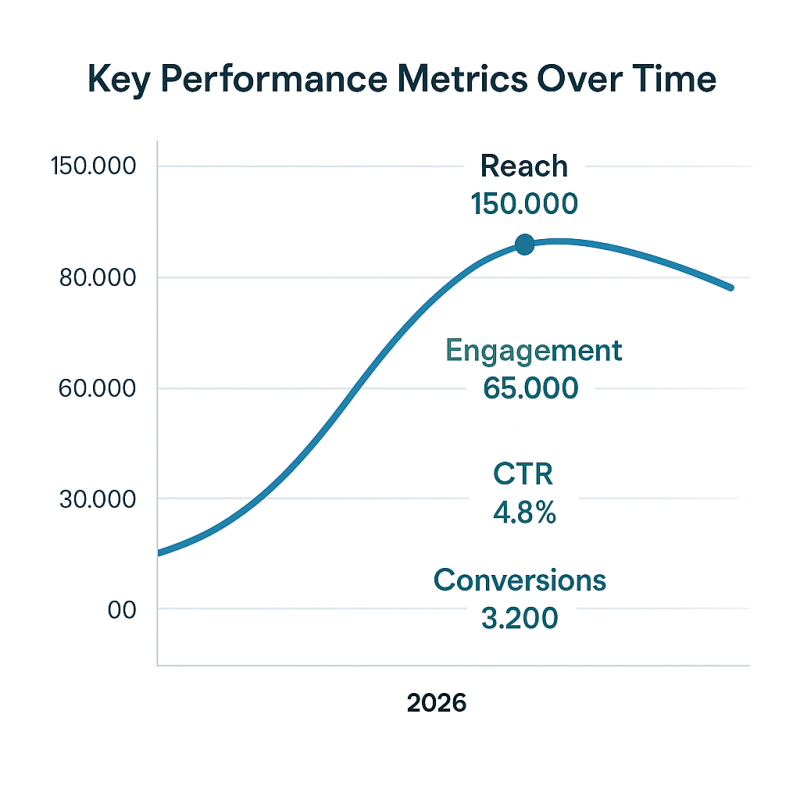
To effectively measure the success of your Facebook feed campaigns, it’s vital to track a set of core performance indicators. Reach indicates how many unique users have seen your content, providing a sense of overall visibility. Engagement encompasses likes, comments, shares, and other interactions, reflecting how well your content resonates with your audience. Click-through rate (CTR) measures the percentage of users who click on your links, revealing the effectiveness of your call-to-action and content relevance. Conversions track the number of users completing desired actions, such as making a purchase or signing up for a newsletter, directly correlating with ROI.
Regularly analyzing these metrics provides a comprehensive view of your content’s performance. For example, a high reach coupled with low engagement suggests that your content is seen but not compelling enough to interact with, signaling a need for more engaging visuals or messaging. Conversely, strong engagement but low conversions may indicate issues in the post-click experience or checkout process.
Using Data to Refine Content
Successful e-commerce brands leverage analytics data to continuously optimize their Facebook feed strategies. By examining which posts generate the highest engagement and conversions, sellers can identify content types, themes, and formats that resonate most with their audience. For instance, if product videos outperform static images, reallocating resources to produce more video content can drive better results. Similarly, analyzing time-of-day performance helps optimize posting schedules for maximum visibility.
Data also guides keyword optimization, image enhancements, and audience targeting adjustments. For example, if certain product categories garner more attention, increasing focus on those areas can improve overall ROI. Consistent testing and iteration based on analytics insights ensure that content remains relevant and engaging, maintaining a competitive edge in the dynamic Facebook environment.
Tools for Analytics and Reporting
Modern e-commerce strategies depend heavily on robust analytics tools that provide real-time insights and comprehensive reporting dashboards. Facebook’s native Insights offers valuable data on reach, engagement, and audience demographics. However, specialized platforms like Catalogz have integrated advanced analytics features, enabling sellers to track performance metrics across multiple channels and campaigns seamlessly.
One notable feature of Catalogz is its reporting dashboard, which visualizes key performance metrics over time, facilitating easy interpretation of data trends. For example, recent analytics reveal a 25% increase in ROI after implementing data-driven content adjustments in 2026, highlighting the tangible benefits of analytics integration. These tools help identify high-performing content, optimize ad spend, and refine targeting strategies, ultimately leading to more effective Facebook feed management.
Chart: Key Performance Metrics Over Time
The chart above depicts the growth and relationship of core KPIs over time, illustrating how strategic adjustments based on data can significantly enhance overall campaign performance. Regularly reviewing these insights enables e-commerce sellers to make informed decisions, optimize content, and achieve sustained success in Facebook feeds.
Conclusion: Enhancing Your Facebook Feed Strategy with Catalogz
Achieving success with Facebook feeds in 2026 requires a comprehensive and adaptable approach that combines content optimization, automation tools like Catalogz, and continuous performance analysis. By integrating these elements, e-commerce sellers can significantly improve visibility, engagement, and conversions, maintaining a competitive edge in a dynamic social media landscape. Regular updates, testing new strategies, and interpreting analytics are essential for sustained growth and success.
Rich Elements: Checklist
- Combine content optimization with automation: Use tools like Catalogz to generate SEO-friendly descriptions and enhance images automatically, ensuring your listings stay relevant and appealing.
- Regularly update and test your strategies: Continuously experiment with different content formats, targeting options, and posting schedules based on data insights to discover what resonates best with your audience.
- Leverage ongoing analytics review: Monitor key performance metrics such as reach, engagement, CTR, and conversions to identify areas for improvement and refine your content and targeting tactics accordingly.
- Stay adaptable in a rapidly evolving environment: Keep abreast of platform updates and algorithm changes, adjusting your strategy proactively to maintain optimal visibility and engagement.
- Conduct routine audits and refresh strategies: Periodically review your feed performance, update your content calendar, and test new creative approaches to prevent stagnation and keep your audience engaged.
- Celebrate incremental successes: Recognize improvements—such as a 30% increase in engagement after adopting a holistic approach—to motivate ongoing efforts and strategic refinement.
- Maintain a proactive mindset: Embrace continuous learning and innovation, understanding that sustained success in Facebook feeds depends on persistent effort and data-driven decision making.
By diligently applying these best practices, e-commerce entrepreneurs can harness the full potential of Facebook feeds, turning routine management into a powerful driver of growth. Remember, adaptability and ongoing optimization are the keys to thriving amid the fast-paced evolution of social media marketing in 2026 and beyond.
Frequently Asked Questions (FAQ)
How does Facebook’s AI determine which products appear in feeds?
In 2026, Facebook’s AI uses a sophisticated ranking system that evaluates numerous signals to predict the relevance of each product for individual users. These signals include user engagement metrics such as likes, comments, shares, and time spent viewing content. The system also considers factors like content quality, recency, relationship with the creator or brand, and whether the content aligns with the user’s interests. Essentially, the AI predicts which products a user is most likely to find appealing and prioritizes those in their feed, ensuring a personalized shopping experience.
What are the best ways to optimize my product descriptions for Facebook feeds?
To optimize product descriptions effectively in 2026, focus on creating clear, benefit-driven copy that naturally incorporates trending keywords relevant to your niche. Use language that highlights what makes your product unique and valuable, such as specific features, benefits, or usage scenarios. Incorporate SEO tools or automation platforms like Catalogz to generate descriptions aligned with current search trends, saving time and boosting relevance. Avoid keyword stuffing; instead, aim for a natural flow that appeals both to the AI’s relevance algorithms and your potential customers.
How can I improve engagement with my Facebook product posts?
Encourage interactions by asking questions, creating shareable content, and inviting user comments. Using high-quality images and engaging videos also attracts more attention. Additionally, fostering a community around your brand by responding promptly to comments and reviews boosts trust and engagement. Incorporating calls-to-action such as “Share your thoughts” or “Tag a friend who would love this” can increase shares and comments, signaling to Facebook’s AI that your content is relevant, which can lead to higher visibility.
What role does automation play in managing Facebook feeds?
Automation platforms like Catalogz play a crucial role by streamlining content enrichment, image optimization, and multi-channel product management. These tools generate SEO-friendly descriptions, enhance product images automatically, and synchronize listings across Facebook, Instagram, Google Shopping, and more. Automation reduces manual effort, minimizes errors, and ensures your product content remains fresh and optimized for the AI ranking system. This allows you to focus on strategic growth while maintaining consistent, high-quality listings.
Should I use paid ads or focus on organic reach?
Both strategies are important in 2026. Organic reach builds authentic relationships and can provide sustained visibility over time, especially when combined with engaging content. However, due to declining organic reach on Facebook, paid advertising is essential for rapid and targeted expansion. Using well-optimized content in conjunction with targeted ad campaigns allows you to reach specific audiences, increase product visibility, and drive conversions more effectively. A balanced approach leveraging both methods often yields the best results.
How can I measure the success of my Facebook feed strategy?
Track key metrics such as reach, engagement (likes, comments, shares), click-through rate (CTR), and conversions. Use Facebook Insights or advanced analytics tools like Catalogz to monitor these KPIs in real time. Regularly reviewing this data helps you identify what content resonates most, optimize underperforming posts, and adjust your strategy accordingly. Setting clear goals and benchmarks ensures you can measure progress and make informed decisions to continuously improve your Facebook feed performance.
What common misconceptions should I be aware of?
A common misconception is that simply posting frequently guarantees visibility. In reality, quality, relevance, and engagement are crucial for AI-driven feeds. Another misconception is that automation replaces the need for human oversight; while automation tools like Catalogz significantly enhance efficiency, strategic input and ongoing optimization remain essential. Lastly, some believe paid ads are unnecessary; however, combining organic efforts with targeted advertising yields the best results in today’s competitive landscape.