Mastering SEO Marketing: A Step-by-Step Guide for Retailers
Introduction
In today’s highly competitive digital landscape, SEO marketing has become an essential component for online retail success. Search Engine Optimization, or SEO, is the process of optimizing your website to achieve higher rankings on search engines like Google, which use complex algorithms to determine the relevance and authority of web pages. For retailers looking to stand out in a crowded marketplace, understanding and implementing effective SEO strategies can significantly impact visibility, organic traffic, and ultimately, sales.
At its core, SEO is about making your website more discoverable to the right audience at the right time. By aligning your content, product listings, and website structure with what users are searching for, you increase the likelihood of attracting targeted visitors who are already interested in your offerings. This targeted approach not only enhances visibility but also helps build trust and authority in your niche, leading to sustained growth.
Many believe that SEO is solely about keywords, but it encompasses much more—relevance, user experience, website authority, and quality content all play crucial roles. Search engines continually refine their algorithms to prioritize websites that deliver value and meet user intent, which means that a well-rounded SEO strategy is vital for long-term success. Retailers who invest in proper SEO practices often see tangible results; for example, a cosmetics e-commerce site increased organic traffic by 40% within six months by optimizing product descriptions and improving site navigation, demonstrating how strategic SEO efforts translate into real-world gains.
In summary, SEO marketing is not just a technical necessity but a strategic tool that helps retailers connect with their target audience, improve online visibility, and drive sustainable growth in an increasingly digital marketplace.
What is SEO Marketing and Why It Matters for Retailers
Search Engine Optimization (SEO) marketing is a fundamental digital strategy that helps online retailers increase their visibility on search engines like Google. With billions of searches conducted daily, mastering SEO is essential for driving organic traffic, attracting potential customers, and boosting sales in a competitive online marketplace. This section explores what SEO marketing entails and why it is a critical component for retail success, supported by compelling statistics and insights.
Understanding SEO in the Context of Online Retail
SEO in online retail involves optimizing your website, product listings, and content to rank higher in search engine results pages (SERPs). This process includes keyword research, site structure optimization, content creation, and technical improvements that align with how search engines evaluate relevance and authority. Given that search engines process over 8.5 billion searches daily, the opportunity to attract targeted traffic is immense. For retailers, effective SEO means appearing prominently when potential customers search for products or related keywords, significantly increasing the likelihood of conversions.
Key Benefits of SEO for Retail Businesses
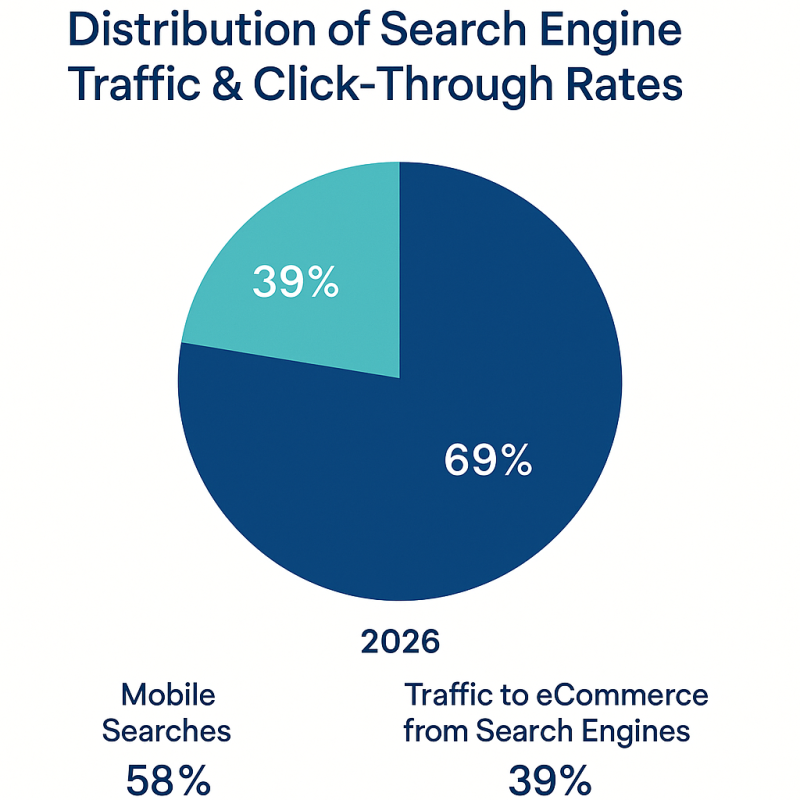
Implementing a robust SEO strategy offers numerous advantages for retail businesses. First, it enhances online visibility, ensuring that your products are easily discoverable by consumers actively searching for similar offerings. Second, SEO delivers a high return on investment; for every dollar spent on SEO, businesses typically earn over $22, making it one of the most cost-effective marketing channels. Additionally, optimizing for mobile searches is crucial, as 58% of all searches now originate from mobile devices. This shift underscores the importance of mobile-friendly website design and content to capture the growing segment of mobile shoppers. Lastly, SEO helps build credibility and trust, as users tend to click more on organic results—69% of clicks go to the first five listings—highlighting the importance of ranking high in search results.
Statistics Demonstrating SEO's Impact on Traffic and Sales
The influence of SEO on online retail success is vividly illustrated by recent statistics. About 39% of global traffic to eCommerce websites comes directly from search engines, emphasizing their role as a primary traffic source. Furthermore, the dominance of top-ranking results is evident, with 69% of search clicks occurring on the first five organic listings. These figures demonstrate that appearing on the first page of search results is not optional but essential for capturing consumer attention and driving sales. Retailers who prioritize SEO and optimize their content accordingly can expect increased visibility, higher traffic volumes, and ultimately, more revenue.
Visual Data Insight
| Distribution of Search Engine Traffic & Click-Through Rates | Percentage |
|---|---|
| Mobile Searches | 58% |
| Traffic to eCommerce from Search Engines | 39% |
| Clicks on Top 5 Results | 69% |
This data highlights the critical importance of optimizing for mobile and securing top search rankings. Mobile searches constitute more than half of all search activity, making mobile optimization a priority. Additionally, with nearly 70% of clicks concentrated on the top five results, achieving high rankings should be a central goal of any retail SEO strategy, ensuring maximum exposure and customer engagement.
The Evolution of SEO: From Keywords to User Intent
This section provides a comprehensive overview of how SEO has transformed over the years, shifting from simple keyword tactics to sophisticated strategies centered around user intent, content quality, and website authority. Understanding this evolution is crucial for retailers aiming to adapt their SEO practices to current search engine algorithms and consumer behaviors.
Early SEO Tactics: Keyword Stuffing and Spammy Links
In the early days of SEO, practitioners relied heavily on keyword stuffing—repeating target keywords excessively within content, meta tags, and backlinks—to manipulate search rankings. This approach often led to low-quality, spammy websites that prioritized keyword presence over user value. At that time, search engines lacked advanced algorithms to evaluate content relevance, so the focus was on quantity rather than quality. As a result, many websites employed manipulative tactics, which provided short-term gains but compromised user experience and trust.
During this period, spammy link-building practices also became prevalent, with websites exchanging low-value backlinks to artificially boost authority. These tactics, while initially effective, eventually led to the development of more sophisticated algorithms designed to penalize such manipulative behaviors.
Algorithm Updates and Shifts Towards Quality
The landscape of SEO began to change significantly with major algorithm updates introduced by search engines, particularly Google. Updates like Panda (2011) targeted thin, duplicate, and low-quality content, penalizing sites that relied on keyword stuffing and spammy backlinks. Panda emphasized the importance of high-quality, original content that provides real value to users. Subsequently, Hummingbird (2013) marked a pivotal shift towards understanding searcher intent and the natural language used in queries.
These updates signaled a move away from superficial keyword optimization towards content that aligns with what users are genuinely seeking. Search engines started analyzing the context, relevance, and authority of websites, rewarding those that deliver comprehensive, well-structured, and trustworthy information. This evolution compelled retailers and content creators to prioritize user-centric content over manipulative tactics.
Modern SEO: AI, User Experience, and Content Relevance
Today, SEO is a dynamic discipline driven by artificial intelligence (AI), user experience (UX), and content relevance. AI-powered tools and algorithms, such as Google's BERT and RankBrain, analyze the context and intent behind search queries to deliver more accurate results. These technologies assess the semantic meaning of content, enabling search engines to rank pages based on their relevance to user needs rather than mere keyword presence.
Competitor trends reveal a clear shift towards creating content that matches user intent and provides authoritative, comprehensive information. Retailers must adapt by developing valuable product descriptions, FAQs, and educational content that address specific customer queries. A focus on website usability, fast load times, and mobile responsiveness also enhances user experience, positively influencing search rankings. Additionally, strategies like email marketing can complement SEO efforts by engaging customers directly and driving repeat traffic.
Infographic: An illustrative infographic visualizes the evolution from keyword stuffing and spam links to AI-driven relevance analysis, highlighting key milestones such as Panda, Hummingbird, BERT, and RankBrain. It emphasizes the importance of adapting SEO strategies to current technological advancements and user expectations.
Staying updated with ongoing algorithm developments and leveraging AI tools is essential for retailers to maintain and improve their search visibility. The era of keyword-centric SEO is long gone; success now depends on delivering meaningful, user-focused content that aligns with search intent and builds authority over time.
How Search Engines Work and How to Optimize for Them
Understanding the fundamental processes through which search engines discover, organize, and rank your website content is essential for developing an effective SEO marketing strategy. By grasping the steps of crawling, indexing, and ranking, retailers can implement targeted optimizations that improve visibility and drive organic traffic. This section provides a step-by-step overview of these processes and practical tips to enhance your website’s search performance.
Crawling: Discovering Your Website Content
Crawling is the initial step where search engines send out automated bots, known as crawlers or spiders, to discover publicly available content on your website. These bots follow links from one page to another, collecting data about your site’s structure, content, and technical setup. Effective crawling ensures that search engines are aware of all your relevant pages and updates.
To optimize crawling, ensure your website has a clear and logical architecture, with a well-structured internal linking system that guides crawlers to all important pages. Submit an XML sitemap through Google Search Console to facilitate comprehensive discovery. Additionally, use robots.txt files to control crawler access and prevent indexing of duplicate or irrelevant pages.
- Ensure your website’s navigation is simple and logical
- Maintain an up-to-date XML sitemap and submit it to search engines
- Use robots.txt to block non-essential pages from crawling
- Avoid broken links that can hinder crawler efficiency
Indexing: How Search Engines Organize Data
Once pages are crawled, search engines analyze and organize this data in their index—a massive database of all discovered content. Indexing involves parsing your pages to understand their topics, relevance, and quality. Proper indexing is crucial because only indexed pages can appear in search results.
Optimizing for indexing involves ensuring your content is accessible and properly structured. Use descriptive, keyword-rich titles and meta descriptions, and implement structured data markup (schema.org) to help search engines understand your content’s context and purpose. Avoid duplicate content and ensure your website’s technical setup allows for easy parsing by search engine bots.
| Indexing Optimization Strategies | Actions |
|---|---|
| Content Clarity | Create unique, high-quality product descriptions and relevant content |
| Structured Data | Implement schema markup to enhance understanding of product info, reviews, and more |
| Technical Accessibility | Fix crawl errors, ensure proper URL structures, and avoid duplicate pages |
| Mobile Optimization | Ensure your site is mobile-friendly to facilitate indexing across devices |
Regularly monitor your site’s index status via Google Search Console to identify and resolve indexing issues promptly.
Ranking: Factors Influencing Your Position
Ranking determines your website’s position in search engine results pages (SERPs). Numerous factors influence rankings, including relevance, authority, user experience, and technical SEO elements. Understanding these factors enables targeted optimizations to improve your position.
Key ranking factors include:
- Content Quality: Creating comprehensive, valuable, and user-centric content that answers searcher intent.
- Page Load Speed: Faster websites provide better user experience and are favored by search engines.
- Mobile-Friendliness: Ensuring your site is responsive and performs well on mobile devices.
- Backlinks and Authority: Earning reputable backlinks boosts your site’s credibility and ranking.
- Technical SEO: Proper site structure, clean code, and absence of crawl issues directly impact ranking.
Competitor insights reveal that neglecting technical SEO—such as slow load times or broken links—can significantly reduce your search visibility. Regular audits and ongoing optimization are vital to maintain and enhance your rankings.
Checklist for Effective Search Engine Optimization
- Perform regular technical audits to identify and fix crawl errors
- Optimize website speed and mobile responsiveness
- Implement structured data markup for rich snippets
- Create high-quality, relevant, and original content regularly
- Ensure a logical site structure with internal linking
- Use descriptive, keyword-rich titles and meta descriptions
- Build reputable backlinks to increase authority
- Monitor indexing status and search performance via analytics tools
By systematically addressing each of these areas, retailers can enhance their website’s visibility, improve rankings, and attract more targeted organic traffic. Regular technical checks and continuous content updates are essential for sustaining and improving search engine performance over time.
Key SEO Strategies for E-Commerce and Retail
This section compares the fundamental SEO strategies essential for online retail success, highlighting how on-page, off-page, and technical tactics work together to enhance visibility and user experience. Understanding the strengths and limitations of each approach enables retailers to develop a comprehensive, effective SEO plan that drives organic traffic and improves search rankings.
On-page SEO: Content, Keywords, and Structure
On-page SEO involves optimizing individual web pages to rank higher and earn more relevant traffic. This includes crafting high-quality, keyword-rich product descriptions, creating engaging content, and structuring pages for clarity and relevance. Proper use of headings, meta tags, and internal links helps search engines understand the content's context and importance. For example, integrating relevant keywords naturally within product titles and descriptions ensures that your pages align with what potential customers are searching for.
Pros: Direct control over content quality and relevance; improves user experience; enhances keyword targeting; supports structured data implementation.
Cons: Time-consuming to maintain; requires ongoing updates; can be less effective if not properly researched or executed.
Off-page SEO: Backlinks and Authority
Off-page SEO focuses on building your website’s authority through backlinks from reputable sources. High-quality backlinks signal to search engines that your site is trustworthy and valuable, which can significantly boost rankings. Strategies include developing partnerships with industry influencers, creating shareable content, and earning mentions through PR efforts. Competitor data underscores that sites with a strong backlink profile outperform those with weak or no backlinks, demonstrating the importance of off-page tactics in establishing authority.
Pros: Enhances site credibility and trustworthiness; improves search rankings; increases referral traffic from external sources.
Cons: Building quality backlinks takes time and effort; risk of penalties from spammy link schemes; requires ongoing outreach and relationship-building.
Technical SEO: Site Speed, Mobile-friendliness, and Schema
Technical SEO involves optimizing the backend of your website to ensure it is fast, accessible, and easy for search engines to crawl and index. Improving site speed reduces bounce rates and enhances user satisfaction, especially on mobile devices. Ensuring your website is mobile-friendly and implementing schema markup (structured data) helps search engines better understand your content and display rich snippets in search results. Data indicates that slow-loading sites and non-responsive designs negatively impact rankings, making technical SEO a critical component of a holistic strategy.
Pros: Improves overall site performance; enhances user experience; supports rich snippets and other search features; essential for mobile users.
Cons: Can require technical expertise; ongoing maintenance needed; complex site issues may need specialized solutions.
Integrating a Holistic SEO Approach
Successful SEO for retail businesses hinges on the seamless integration of on-page, off-page, and technical strategies. For instance, optimizing product descriptions (on-page) while earning backlinks (off-page) and ensuring fast, mobile-friendly site architecture (technical) creates a synergistic effect that amplifies overall visibility. Competitor data consistently shows that sites employing a balanced, comprehensive approach outperform those relying on isolated tactics, leading to higher rankings, increased traffic, and better user engagement.
By viewing SEO as an ongoing, interconnected process rather than a series of isolated tasks, retailers can build a stronger, more authoritative online presence. Regular audits, continuous content refinement, and proactive technical improvements are essential to adapt to evolving search engine algorithms and consumer behaviors.
Tools and Automation: How Catalogz Enhances SEO for Retail
This section explores how advanced tools and automation platforms, particularly Catalogz, can significantly improve SEO outcomes for retail businesses. Leveraging automation not only streamlines product data management but also enhances search visibility and user experience. Understanding these technologies enables retailers to stay competitive and achieve scalable growth through efficient SEO practices.
Automating Product Data for Better SEO
Automation plays a pivotal role in optimizing product data for search engines. Catalogz, an innovative AI-driven platform, automates the organization and enrichment of product information, ensuring that listings are accurate, comprehensive, and aligned with SEO best practices. By systematically optimizing product titles, descriptions, and metadata, retailers can improve their chances of ranking higher in relevant search results. Automated data management reduces manual errors and ensures consistency across large inventories, which is essential for maintaining a strong SEO presence in the fast-paced e-commerce environment.
Furthermore, automated keyword integration and structured data application help search engines better understand product pages, leading to enhanced visibility through rich snippets and enhanced listings. This process allows retailers to focus their efforts on strategic growth while automation handles the routine yet critical task of data optimization.
Enhancing Catalog Accuracy and Freshness
Maintaining up-to-date and accurate product catalogs is crucial for SEO performance. Outdated or incorrect listings can harm user trust and lead to lower rankings. Catalogz automates the continuous update process, ensuring that product information reflects the latest specifications, pricing, and availability. This dynamic updating not only improves the user experience but also signals to search engines that the website is active and authoritative, which positively influences rankings.
Automated catalog management minimizes delays in product updates, reduces manual workload, and ensures consistency across all listings. This level of accuracy and freshness helps in capturing long-tail search traffic and improves overall search engine relevance, making Catalogz an indispensable tool for modern retail SEO strategies.
Integrating AI Tools for Scalable Optimization
Integrating AI-powered platforms like Catalogz allows retailers to scale their SEO efforts efficiently. AI algorithms analyze vast amounts of data to identify optimization opportunities, suggest relevant keywords, and automate routine tasks such as tagging and categorization. As a result, businesses can rapidly expand their product listings without sacrificing quality or consistency.
“Using Catalogz’s automation capabilities, we’ve seen a noticeable improvement in our product visibility and search rankings,” says a leading digital marketing expert. “It streamlines the entire catalog management process, ensuring our listings are always optimized and up-to-date, which directly impacts our SEO performance and user engagement.”
This seamless integration of AI tools not only enhances technical SEO but also allows for continuous refinement based on search trends and consumer behavior. The ability to efficiently manage large inventories with minimal manual intervention provides a competitive edge, making automation an essential component of effective SEO marketing in retail.
Implementing Your SEO Strategy: Step-by-Step
This section offers a practical, structured approach for retail businesses to develop and execute an effective SEO plan. Following a logical sequence ensures comprehensive coverage of all critical aspects, from research to technical optimization and content creation. Implementing these steps systematically helps maintain focus, measure progress, and adapt strategies for ongoing success.
Conducting Competitor and Keyword Research
The foundation of any successful SEO strategy begins with thorough research. Start by analyzing your top competitors to understand their strengths, weaknesses, and keyword targeting. Use tools like SEMrush, Ahrefs, or Google Search Console to identify which keywords they rank for, their backlink profiles, and content strategies. This insight reveals opportunities to target underserved keywords and areas where you can outperform competitors.
Simultaneously, conduct comprehensive keyword research tailored to your retail niche. Focus on both short-tail and long-tail keywords relevant to your products and customer intent. Prioritize keywords with high search volume and manageable competition. Incorporate product-specific terms, location-based keywords if applicable, and customer queries to align your content with what users are searching for.
- Analyze competitors’ top-ranking keywords and backlinks
- Use keyword research tools to identify high-value search terms
- Map keywords to specific product pages and content topics
- Set clear goals for rankings and traffic growth based on findings
Optimizing Website Structure and Content
With research insights in hand, focus on optimizing your website’s structure and content. Ensure your site has a logical hierarchy, with categories and subcategories that reflect your product range. Use descriptive, keyword-rich URLs and internal linking to facilitate easy navigation for both users and search engines.
Develop high-quality, relevant content that addresses user intent. This includes detailed product descriptions, FAQ pages, blog posts, and buying guides. Incorporate target keywords naturally within titles, headings, and body content to improve relevance. Implement structured data markup (schema.org) for products, reviews, and other elements to enhance search appearance with rich snippets.
Prioritize mobile responsiveness and fast load times, as these factors influence both user experience and search rankings. Regularly audit your website to identify and fix technical issues, broken links, or duplicate content that could hinder SEO performance.
Building Backlinks and Technical Improvements
Next, focus on off-page and technical SEO. Build backlinks from reputable industry sources, influencers, and relevant blogs to increase your site’s authority. Engage in outreach, guest posting, and content sharing to earn quality links that boost your rankings.
Simultaneously, implement technical improvements such as optimizing site speed, fixing crawl errors, and ensuring your site is mobile-friendly. Use tools like Google Search Console and PageSpeed Insights to identify issues and monitor progress. Proper technical setup, including an XML sitemap and robots.txt file, ensures search engines can efficiently crawl and index your content.
- Acquire backlinks from authoritative sources
- Improve page load speed and mobile responsiveness
- Fix crawl errors and duplicate content issues
- Implement structured data for enhanced search listings
Monitoring and Refining Your SEO Efforts
Finally, establish a routine for monitoring your SEO performance. Use analytics tools like Google Analytics and Search Console to track keyword rankings, traffic sources, bounce rates, and conversions. Regularly review your backlink profile and technical health to identify new opportunities or issues.
Based on data insights, refine your strategy by updating content, targeting new keywords, and enhancing technical aspects. Stay informed about algorithm updates and industry trends to adapt your tactics accordingly. Continuous assessment and iteration are key to maintaining and improving your search visibility over time.
Checklist for Implementation
- Perform competitor analysis to identify keyword gaps
- Conduct comprehensive keyword research aligned with product offerings
- Optimize website structure, URLs, and internal linking
- Create high-quality, user-focused content targeting identified keywords
- Implement structured data markup for rich snippets
- Build backlinks from authoritative sources
- Fix technical issues, improve site speed, and ensure mobile responsiveness
- Set up analytics and regularly monitor performance metrics
- Refine your SEO tactics based on data and industry changes
By following this step-by-step process, retail businesses can systematically build a robust SEO foundation, improve search rankings, and attract more targeted organic traffic. Remember, SEO is an ongoing effort—consistent evaluation and adaptation are essential for sustained success in the competitive online retail landscape.
Conclusion: Boost Your Retail Success with SEO
In today’s competitive online retail environment, effective SEO marketing is essential for increasing visibility, driving organic traffic, and transforming visitors into loyal customers. Retailers who prioritize SEO can achieve higher search rankings, better user engagement, and ultimately, increased sales. By integrating automation tools like Catalogz, businesses can streamline their product catalog management, ensure data accuracy, and enhance their overall SEO efforts, positioning themselves for sustained growth and success.
Adopting a structured, strategic approach to SEO—covering comprehensive keyword research, website optimization, quality content creation, and authoritative backlink building—provides a competitive edge in the crowded digital marketplace. Real-world success stories demonstrate that retailers leveraging these strategies, combined with automation, experience measurable improvements in search rankings and revenue. Staying ahead requires continuous adaptation to evolving algorithms and consumer behaviors, making ongoing optimization a critical component of long-term success.
In summary, embracing SEO and automation as core parts of your retail growth strategy ensures your business remains visible, relevant, and competitive in 2026 and beyond. The combination of proven tactics and innovative tools like Catalogz empowers retailers to unlock new opportunities, outperform competitors, and achieve their growth objectives.
Checklist for Retail SEO Success
- Conduct thorough competitor and keyword research to identify opportunities
- Optimize website structure, URLs, and internal linking for clarity and relevance
- Create high-quality, user-centric content aligned with search intent
- Implement structured data markup to enhance search listings with rich snippets
- Acquire reputable backlinks to build authority and trust
- Ensure website speed, mobile responsiveness, and technical health
- Utilize automation tools like Catalogz for consistent, scalable catalog management
- Monitor performance regularly via analytics and search console tools
- Continuously refine strategies based on data insights and industry trends
By committing to these best practices and leveraging innovative solutions, retailers can maximize their online potential, stay ahead of competitors, and secure long-term growth in the dynamic world of e-commerce.
Frequently Asked Questions (FAQ)
This section addresses common questions retailers and marketers have about SEO marketing, providing clear explanations and practical tips to help you understand and implement effective strategies. Whether you're just starting out or looking to refine your approach, these FAQs offer valuable insights to boost your online retail success.
What is an example of SEO in marketing?
An example of SEO in marketing is optimizing product descriptions with relevant keywords, creating high-quality content, and earning backlinks to improve search engine rankings. For instance, a retailer selling athletic shoes might optimize their product pages with keywords like "men's running shoes" and "sports sneakers," add informative blog posts about running tips, and promote their content to gain reputable backlinks. This comprehensive approach helps the website appear higher in search results, attracting more organic traffic and increasing sales.
Why is SEO marketing important for online retailers?
SEO marketing is essential for online retailers because it increases visibility in search engine results, driving targeted organic traffic to your website. Higher rankings mean more potential customers discover your products when searching for relevant keywords, leading to increased brand awareness and sales. Additionally, SEO provides a cost-effective way to attract long-term traffic compared to paid advertising, and it helps build credibility and trust with consumers who tend to click on organic results more frequently.
How can I start implementing SEO for my retail website?
Begin by conducting keyword research to identify the terms your target audience uses when searching for your products. Optimize your website structure by creating clear categories, descriptive URLs, and internal links. Develop high-quality, relevant content such as product descriptions, FAQs, and blog posts that address customer questions and intent. Ensure your site is mobile-friendly and loads quickly. Additionally, build reputable backlinks and implement structured data to enhance search appearance. Regularly monitor your performance using tools like Google Search Console and refine your strategies based on data insights.
What are some common SEO mistakes to avoid?
Common SEO mistakes include keyword stuffing, neglecting mobile optimization, using duplicate content, ignoring site speed, and failing to acquire quality backlinks. Overusing keywords can harm user experience and lead to penalties, while slow-loading or non-responsive sites frustrate visitors and lower rankings. Additionally, not fixing crawl errors or duplicate pages can prevent search engines from properly indexing your content. Avoid these pitfalls by adhering to best practices, conducting regular audits, and focusing on providing value to your users.
How long does it take to see results from SEO efforts?
SEO is a long-term strategy, and results typically take several months to become noticeable. Factors such as website age, competition level, and the scope of optimization efforts influence the timeline. Generally, you might start seeing improvements in rankings and traffic within 3 to 6 months, but sustained growth and top rankings often require ongoing effort, content updates, and technical improvements over time. Patience and consistent optimization are key to achieving lasting success.
Is local SEO important for retail businesses?
Yes, local SEO is crucial for retail businesses with physical stores or serving specific geographic areas. Optimizing for local search involves creating and optimizing your Google My Business profile, including accurate contact information, reviews, and local keywords. Local SEO helps your store appear in "near me" searches and on Google Maps, increasing foot traffic and local sales. It also enhances visibility in local directories and review sites, building community trust and attracting nearby customers.
What role does content play in SEO marketing?
Content is at the heart of effective SEO marketing. High-quality, relevant content helps search engines understand your website’s purpose and relevance to user queries. Well-crafted product descriptions, blog posts, FAQs, and educational guides address customer intent, improve dwell time, and encourage sharing. Content that provides value builds authority and trust, which can lead to better rankings and increased organic traffic. Regularly updating and expanding your content ensures your website remains relevant and competitive.
How does automation help with SEO marketing?
Automation tools like Catalogz streamline the management of large product catalogs, ensuring data accuracy, consistency, and timely updates. Automated keyword integration, structured data application, and regular content optimization reduce manual effort and minimize errors. This allows retailers to focus on strategic growth while maintaining a strong SEO foundation. Automation also helps in monitoring performance, identifying optimization opportunities, and scaling SEO efforts efficiently as your inventory grows.
What should I do to keep up with SEO trends and algorithm updates?
Stay informed by following reputable SEO blogs, industry news, and search engine updates. Regularly audit your website’s performance, adapt your strategies based on new ranking factors, and leverage emerging technologies like AI and structured data. Continuous learning and flexibility are vital, as search engine algorithms evolve frequently. Investing in ongoing education, attending webinars, and participating in industry forums can help you stay ahead and maintain a competitive edge.
What is the key to successful SEO marketing in retail?
The key to successful SEO marketing is a comprehensive, user-focused approach that combines technical optimization, relevant content creation, and authoritative backlink building. Consistency in updates, monitoring, and adapting to algorithm changes ensures sustained visibility and growth. Integrating automation tools like Catalogz further enhances efficiency and data accuracy. Remember, SEO is an ongoing process that requires patience, strategic planning, and continuous refinement to achieve long-term success.